
Air Jordan Shoes Head-to-Head: High-Top vs Low-Top Versions
Selecting between high-top and low-top Air Jordan kicks is one of the most frequent dilemmas facing sneaker fans in 2026. Both silhouettes boast decades of basketball heritage and fashion credibility, yet they fulfill markedly different functions on and off the court. High-tops defined Michael Jordan’s career, providing the ankle lockdown that assisted him rule the NBA through six championship-winning campaigns. Low-tops, on the other hand, emerged as a fashion-oriented alternative that emphasizes unrestricted movement and warm-weather versatility. Knowing the true differences between these two formats can save you from regret and allow you to construct a more balanced sneaker rotation. In this comparison, we break down performance, everyday comfort, fashion, and pricing so you can form a informed decision on your newest pair of Air Jordans.
The History Behind Both Cuts
When Peter Moore drew up the debut Air Jordan 1 in 1985, high-top construction was the unquestioned norm for basketball sneakers. The high collar enclosed Michael Jordan’s ankle and evolved into an defining visual element that Nike advertised intensely during the “Banned” ad campaign. It was not until the Air Jordan 11 Low launched in 1996 that Jordan Brand meaningfully experimented with the low-top construction for a mainline model. That debut demonstrated that buyers would adopt nike air jordan a shortened version of an already popular shoe, paving the way for low-profile versions of practically every mainline Jordan. By the mid-2000s, low-top Jordans had become a warm-weather essential, consistently depleting alongside their high-top counterparts. As of now in 2026, Jordan Brand drops approximately similar quantities of high-top and low-top editions each three months, mirroring symmetrical buyer interest across both formats.
Ankle Support and On-Court Performance
High-top Air Jordans rise 2 to 3 inches above the ankle, producing a snug collar that minimizes sideways rolling during hard cuts, pivots, and jumps. Models like the Air Jordan 1 High and Air Jordan 12 use foam-padded collars combined with stiff heel stabilizers to stabilize the foot during competitive play. According to a 2024 research paper published in the British Journal of Sports Medicine, high-top basketball shoes decreased the incidence of ankle injuries by approximately 28 percent compared to low-profile models in casual players. Low-top Jordans, such as the Jordan 1 Low and Jordan 11 Low, forgo some of that structural support in return for reduced weight — commonly removing 50 to 80 grams per shoe. For weekend warriors who compete in pick-up games once or twice a week, that lighter build translates into faster first steps and reduced fatigue over prolonged play. The compromise is genuine, though: if you have a history of ankle injuries, a high-top model with correct lacing continues to be the safer option for any court action.
Comfort for All-Day Wear
In everyday life, ease concerns are completely different, and low-cut Jordans regularly take the lead. The lower collar height eliminates the irritation that high-cut Jordans can generate against the Achilles tendon during long walks. Many users note that low-top Jordans feel comfortable after just two or three outings, while high-top models may demand five to seven wears before the ankle cushioning fully molds. Cushioning tech remains consistent across both heights — the Air Jordan 1 features the same Air sole unit irrespective of height, and the Jordan 11 retains its full-length Air unit in both versions. Warmth is another important factor: low-top versions provide significantly more airflow around the ankle area, rendering them the top pick for warm seasons when sweating is an concern. For colder months or long days on your feet, the heat retention provided by a high-top collar can genuinely be an advantage, holding warmth contained around the ankle area.
Style and Outfit Versatility
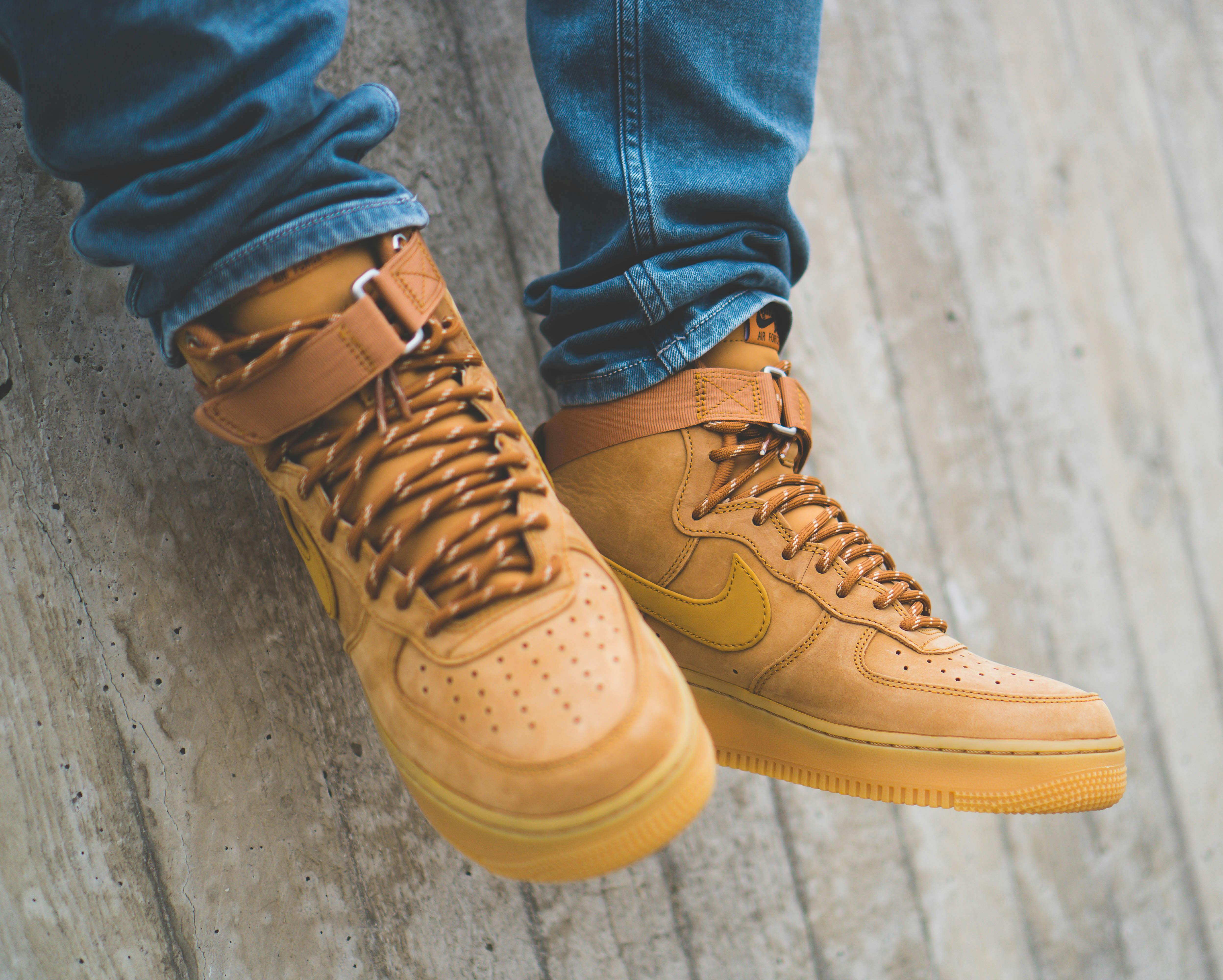
From a fashion point of view, high-top Air Jordans demand notice and serve as a statement piece in any outfit. The Air Jordan 1 High, in releases like Chicago, Bred, and Royal, reliably places among the most captured sneakers on Instagram and TikTok, accumulating millions of tags on Instagram alone. High-cut Jordans work best alongside skinny or tapered jeans, track pants, and athletic shorts that allow the full shape to be visible — concealing a high-top under baggy denim nullifies its visual purpose. Jordan Lows, on the other hand, provide a more streamlined profile that works naturally with a greater range of looks, encompassing straight-cut jeans, chinos, and even dressed-up trousers. Fashion-savvy sneakerheads in 2026 commonly wear low-cut models as a transitional shoe that links casual and semi-formal wardrobes. The styling flexibility provides low-tops a modest advantage for shoppers who want a lone pair to work across various settings throughout the week.
Color and Material Considerations
High-top Air Jordans typically include more surface area, which allows design teams to add multi-color blocking and opposing materials across the shoe’s upper. This added canvas is why famous colorways like the Jordan 1 High “Union LA” and “Travis Scott” collabs look so visually striking — there is plainly more surface area to utilize. Jordan Lows compress that same design language into a tighter canvas, which can either seem sleeker or appear cluttered depending on the colorway. Leather, nubuck, suede, and patent leather all feature across both formats, though high-end materials usually be used more commonly in high-cut exclusive releases. In terms of durability, the extra fabric on a high-top means somewhat greater defense against scratches around the ankle. Sneakerheads prioritizing keeping their Jordans immaculate for years regularly lean toward high-cut models for this pragmatic consideration alone.
High-Top vs Low-Top: Head-to-Head Comparison
| Category | High-Top Air Jordans | Low-Top Air Jordans |
|---|---|---|
| Ankle Support | Superior — extends past the ankle | Low — rests under the ankle bone |
| Average Weight | 400–500 g per shoe | 340–420 g per shoe |
| Ideal Season | Fall / Winter | Spring / Summer |
| Fashion Versatility | Streetwear and athletic | Street, casual, business-casual |
| Break-In Time | 5–7 wears | 2–3 wears |
| Resale Markup | Usually higher | Middling |
| Breathability | Average | Strong |
| Typical Retail Price | $170–$200 | $130–$170 |
Resale Value and Collectibility
In the aftermarket, high-top Air Jordans have over the years commanded stronger premiums than their low-cut versions. Data from StockX demonstrates that the Air Jordan 1 High OG maintains a 40 to 60 percent price increase over MSRP in popular releases, while the Jordan 1 Low OG commonly records a 15 to 30 percent markup. Exclusive high-tops, especially those tied to collaborations with fashion figures like Virgil Abloh or Travis Scott, have climbed to resale prices topping $2,000 in deadstock condition. Low-cut models are increasingly bridge that divide, however, as Jordan Brand focuses more intensely in premium low-top launches targeting lifestyle consumers. The Travis Scott x Air Jordan 1 Low Reverse Mocha, for example, fetched well over $1,500 on aftermarket sites throughout 2023 and 2024. For investors targeting long-term investment, high-top models remain the more reliable choice, but the low-top market is developing swiftly and deserves attention.
Reaching Your Decision
Your choice when it comes down to it hinges on how and where you expect to wear your Air Jordans. If playing ability is a priority — even casually — the structural advantages of a high-top are compelling, and the added ankle support can stop ankle injuries that would keep you out for weeks. For all-day wear across multiple contexts, a low-top Air Jordan offers unrivaled range, a lighter build, and an easier break-in period that slots seamlessly into a active routine. Price-sensitive consumers will also enjoy that Jordan Lows usually cost $20 to $40 below their high-top versions, making the most of your shoe budget more. If possible, a well-rounded rotation includes at least one of each: a high-top for making a statement and fall and winter, and a low-top for casual spring and summer styling. Review your current wardrobe, consider your physical activity, and weigh your local climate before pulling the trigger. Whichever cut you choose, you are purchasing a model supported by over 40 years of creative engineering from Jordan Brand.
Final Verdict
The high-top versus low-top debate has no single correct answer because both constructions thrive in separate situations. High-top Air Jordans deliver excellent joint protection, more impressive resale premiums, and a bolder style statement that commands street style photos and sneaker conventions. Low-top Air Jordans counter with lighter construction, shorter break-in periods, more expansive fashion versatility, and a more accessible retail price for beginning buyers. In 2026, Jordan Brand keeps on evolve across both styles, introducing new midsole tech and sustainable materials that improve both variants year over year. The wisest approach is to assess each drop on its own merits rather than enforcing a rigid preference for one style over the other. Whether you strap on a high-top pair for a weekend convention or step into a low-top pair for a summer cookout, the Jumpman logo on your foot bears the same iconic significance.

